
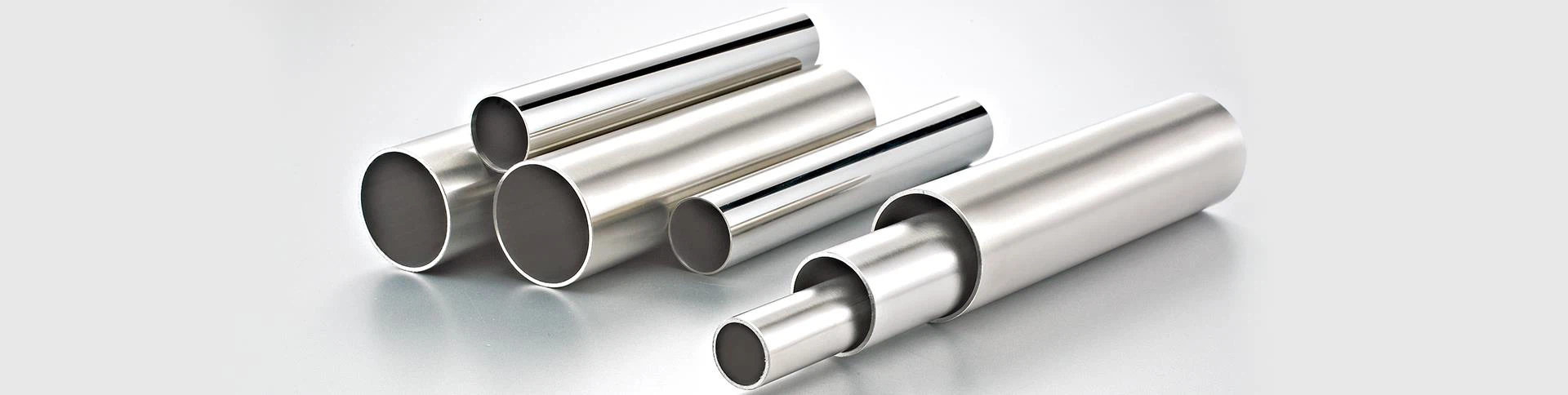


310s stainless steel wire. This high-performance alloy offers a unique combination of properties that make it an attractive option for various automotive applications. In this comprehensive guide, we'll explore the potential of 310s Stainless Steel Wire in the automotive sector, examining its characteristics, performance, and specific use cases.

What makes 310S stainless steel wire suitable for automotive applications?
310S stainless steel wire possesses a range of characteristics that make it an excellent candidate for use in automotive components. Let's delve into the key properties that contribute to its suitability:
One of the standout features of 310S stainless steel wire is its superior corrosion resistance. This alloy contains high levels of chromium and nickel, which form a protective oxide layer on the surface, shielding it from corrosive elements. In the automotive environment, where exposure to road salt, moisture, and various chemicals is common, this property is invaluable. The corrosion resistance of SS 310S Wire helps extend the lifespan of components and reduces the need for frequent replacements.
High-Temperature Strength
Automotive applications often involve exposure to elevated temperatures, particularly in engine components and exhaust systems. 310S stainless steel wire excels in this regard, maintaining its strength and structural integrity at high temperatures. This alloy can withstand continuous service temperatures up to 1150 degree (2102 degree F), making it ideal for use in hot sections of vehicles where other materials might fail.
SS 310S Wire demonstrates remarkable oxidation resistance at high temperatures. This property is crucial for components that are exposed to hot gases and combustion products. The wire's ability to resist oxidation helps prevent scaling and degradation, ensuring long-term reliability in demanding automotive environments.
310S stainless steel wire offers good formability, allowing it to be shaped and manipulated into various automotive components. This characteristic is particularly useful for creating complex parts or intricate designs. Moreover, the alloy exhibits excellent weldability, facilitating the joining of components and simplifying the manufacturing process.
Non-Magnetic Properties
The austenitic structure of 310S stainless steel wire results in non-magnetic properties. This characteristic can be advantageous in certain automotive applications where magnetic interference needs to be minimized, such as in electronic sensors or components near sensitive equipment.
How does 310S stainless steel wire perform in high-temperature automotive environments?
The performance of 310S stainless steel wire in high-temperature automotive environments is one of its most compelling attributes. Let's examine how this alloy fares under extreme conditions:
310S stainless steel wire maintains its structural integrity and mechanical properties at elevated temperatures. This thermal stability is crucial for components in the engine compartment or exhaust system, where temperatures can fluctuate dramatically. The alloy's ability to resist creep and maintain strength at high temperatures ensures reliable performance over extended periods.
Automotive components are often subjected to rapid temperature changes, known as thermal cycling. 310S stainless steel wire demonstrates excellent resistance to thermal fatigue, withstanding repeated heating and cooling cycles without significant degradation. This property is particularly valuable for parts that experience frequent temperature fluctuations, such as exhaust manifolds or turbocharger components.
At high temperatures, many metals form scales or oxide layers that can flake off, leading to material loss and potential system contamination. 310S stainless steel wire exhibits excellent scaling resistance, forming a tightly adherent oxide layer that protects the underlying metal. This property is particularly beneficial in exhaust systems and other high-temperature applications where scale formation could be problematic.
In carbon-rich environments at elevated temperatures, some metals can undergo carburization, a process that can lead to embrittlement and reduced performance. 310S stainless steel wire demonstrates good resistance to carburization, making it suitable for use in automotive components exposed to carbon-containing gases at high temperatures.
Can 310S stainless steel wire be used for exhaust systems or other automotive parts?
Indeed, 310S stainless steel wire finds applications in various automotive components, particularly those exposed to high temperatures and corrosive environments. Let's explore some specific use cases:
The exhaust system is one of the most demanding areas in a vehicle, requiring materials that can withstand high temperatures, corrosive gases, and thermal cycling. 310S stainless steel wire is an excellent choice for exhaust components such as:
.
.
.
.
The alloy's high-temperature strength, oxidation resistance, and durability make it ideal for these applications, contributing to improved exhaust system performance and longevity.
Turbochargers operate under extreme conditions, with temperatures reaching up to 1000 degree (1832 degree F). 310s Stainless Steel Wire Manufacturer products are well-suited for various turbocharger parts, including:
.
.
.
.
Several engine parts can benefit from the properties of 310S stainless steel wire:
.
.
.
.High-temperature sensors and probes
These components often operate in high-temperature, corrosive environments where the alloy's properties can significantly enhance performance and durability.
While not typically exposed to extremely high temperatures, certain fuel system components can benefit from the corrosion resistance and durability of 310S stainless steel wire:
.
.
.
In some high-performance or racing applications, 310S stainless steel wire can be used for structural reinforcement in areas exposed to high heat, such as:
.
.
.Protective cages or barriers in high-temperature zones
Various automotive sensors and instruments operate in challenging environments. 310S stainless steel wire can be used in:
.
.
.
In conclusion, 310S stainless steel wire offers a compelling combination of properties that make it highly suitable for numerous automotive applications. Its exceptional high-temperature performance, corrosion resistance, and durability position it as an excellent material choice for components exposed to extreme conditions. As automotive technology continues to advance, the demand for high-performance materials like 310S stainless steel wire is likely to grow, driving innovation and improvements in vehicle design and performance.
310s Stainless Steel Wiresxthsteel@sxth-group.com to discuss how our high-quality stainless steel products can enhance your automotive applications.


